
Case study
PK Universe
A photography studio that turned itself into a software business.
Four live properties for one owner, including a multi-tenant face-search gallery platform.

The challenge
What they needed.
A single wedding produces several thousand photographs, and each guest wants the forty they personally appear in. Nobody scrolls four thousand images, and no studio has the hours to sort them by person. The industry's answer is a Google Drive link and an apology, which wastes the one moment when every guest is actively looking at the studio's work and would happily book them. The deeper problem is that this bottleneck is the same for every studio, so solving it once for one owner was really solving it for the category. On top of delivery, the owner was running a studio, a separate destination-wedding brand, an on-demand booking idea and a growing client list, each of which wanted its own front door, its own sign-in and its own commercial model rather than a single site stretched across all of them.
Our approach
What we did.
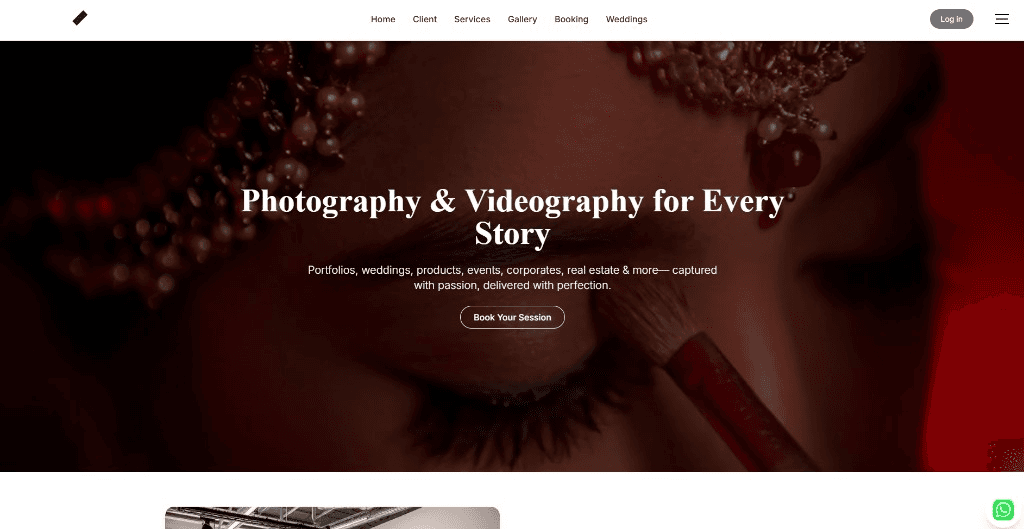
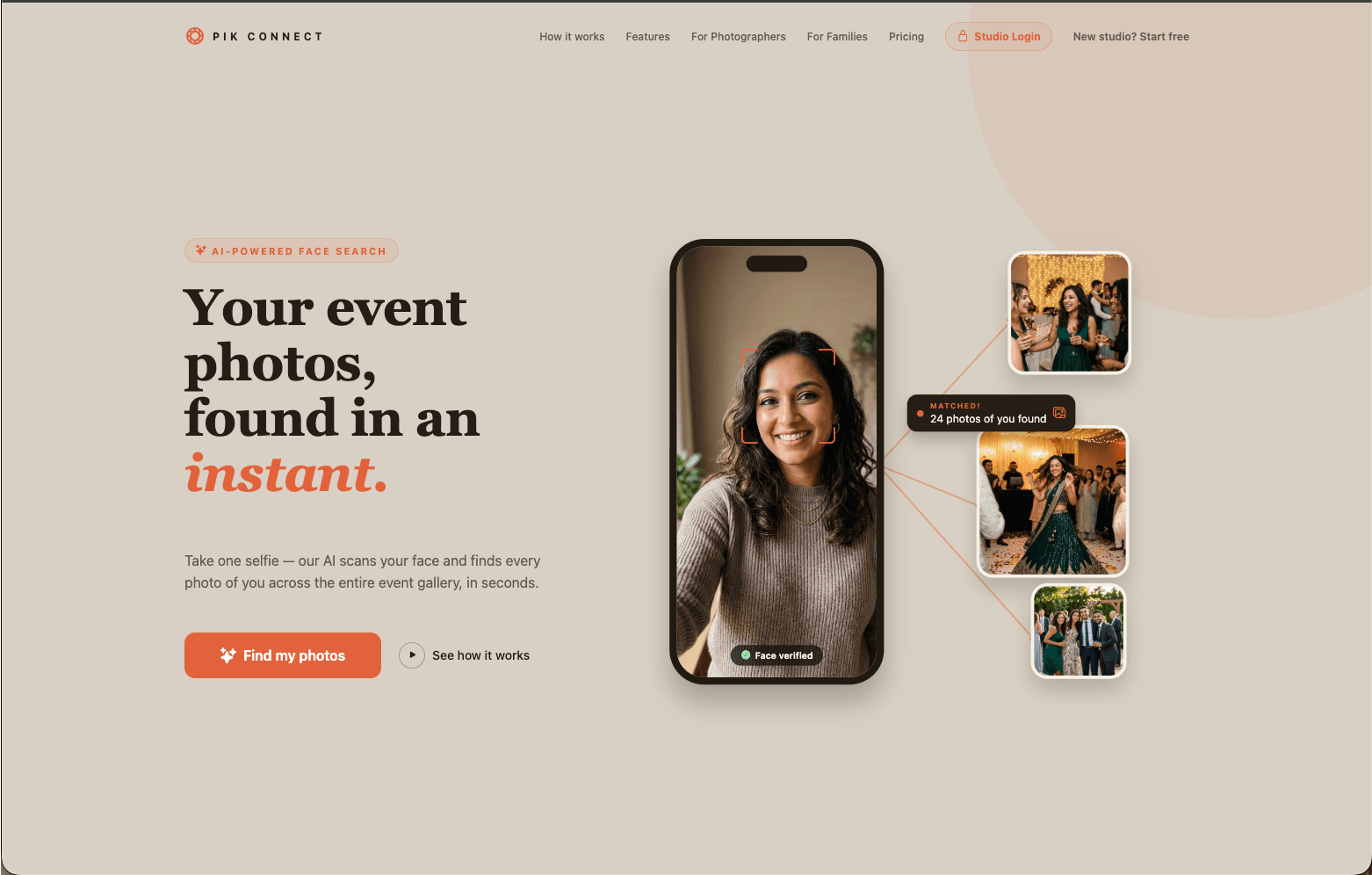
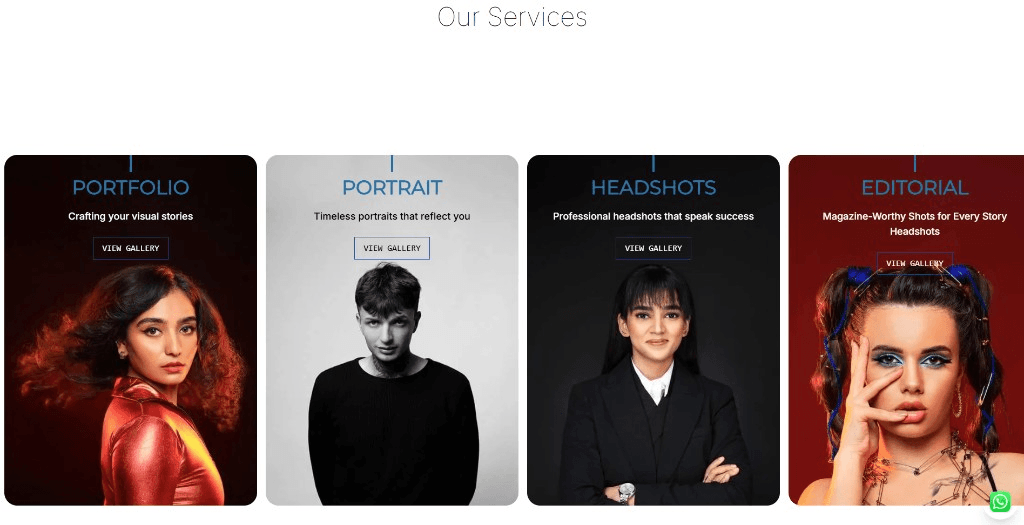
We built four properties for this group. The studio site at pkphotography.in, a separate Goa destination-wedding brand at Sands & Vows, an on-demand booking marketplace at Photographer Bulao, and PIK Connect, a multi-tenant platform where a guest takes a selfie and gets back only the photos they appear in. PIK Connect started as a fix for one studio's delivery problem and became a product other studios pay for. The recognition engine is pluggable, a mock for demos and AWS Rekognition in production, swapped by an environment variable, and every selfie is checked in Pillow and numpy for resolution, brightness, glare and blur before it is matched. Consent logging and per-client face-data deletion were built in rather than retrofitted, which matters when the data in question is people's faces. Studios ingest photos through four paths, direct upload, Google Drive over OAuth, Synology NAS and S3, and sit under a superadmin layer with its own activity log. The commercial side runs in code too: three subscription tiers with quotas enforced per studio, phone-OTP sign-in for guests and email sign-in for admins, a client CRM, quotations with templates and invoicing with per-studio sequential counters.
What a guest actually does
For a guest, the experience is meant to be short. They open the event, sign in with their phone number and an OTP, and take a selfie. The selfie is checked for resolution, brightness, glare and blur before matching, so a poor photo is caught early rather than returning poor results. Then they see only the photos they appear in.
That is the moment the old Drive link wasted: a guest actively looking at the studio's work. Now it ends with the guest holding their own photos rather than giving up halfway through a folder of thousands.
Why consent and deletion came first
Face data is personal in a way most data is not. Building consent logging and per-client face-data deletion into the platform from the start, rather than adding them later, means every studio on PIK Connect works within the same rules. Per-event access grants, shareable links and a visitor log with export give each studio control over who sees what.
What we built
Everything that shipped.
- Face search: a guest takes a selfie and receives only their own photos
- Pluggable recognition engine, mock for demos and AWS Rekognition in production, swapped by environment variable
- Real selfie quality checks in Pillow and numpy for resolution, brightness, glare and blur
- Consent logging and per-client face-data deletion, built in rather than retrofitted
- Four ingestion paths: direct upload, Google Drive over OAuth, Synology NAS and S3 import
- Per-event access grants, shareable links and a visitor log with export
- Client CRM, quotations with templates, and invoicing with per-studio sequential counters
- Phone-OTP sign-in for guests, email and password for studio admins, Google OAuth available
- Three subscription tiers with quotas enforced in code: Trial, Standard at Rs 499, Pro at Rs 999
- Superadmin layer above the studios with its own activity log
Stack
What it was built with.
- FastAPI
- Python
- MongoDB
- AWS Rekognition
- AWS S3
- Google Drive API
- Stripe
- Cloudinary
- JWT
- Pillow
- numpy
- Next.js
- Capacitor
- pytest
Inside the build
See it in action.
Outcomes
The results.
4 for one owner
Live properties
77
API endpoints
32
Data collections
Services used
Related reading
What is an admin panel?
An admin panel is the private back office of a website or app where your team manages orders, users and content. Here is what it does, with real examples.
Read TechWhy your website is slow, and it is probably not your hosting
When a website is slow, it is almost always the images, not the hosting. Here is how to check in two minutes on your own phone, the four real causes in order, and the numbers that actually fix it.
ReadStart a conversation
Tell us what you’re building.
A real conversation about your business and whether we’re the right team to help. Free, and no obligation either way.
Reach us directly
- Call
- +91 859-141-8661
- Studio
- Thane, Mumbai Metropolitan Region
- Response time
- Within a few hours, working days