
Case study
TechSur
Product definition for an AI agent orchestration platform.
PRD, functional spec and eighteen user flows for a self-hosted SDLC platform, plus two marketing sites.

The challenge
What they needed.
TechSur delivers software into environments where nobody can adopt an AI coding tool that sends code to somebody else's cloud, and where shipping code that cannot be traced back to an approved requirement is not an option. They wanted to build a platform answering both constraints. Before any of it could be built, somebody had to define exactly what it was, in enough detail that engineers could implement it and reviewers could audit it. That is a harder deliverable than a working prototype, because the entire value proposition is traceability: if the specification is vague, the platform built from it cannot prove that a given line of code traces to an approved requirement, and the compliance story collapses. The spec had to cover three different kinds of user, the day-to-day product behaviour, and the governance scaffolding around it, all before a single screen existed.
Our approach
What we did.
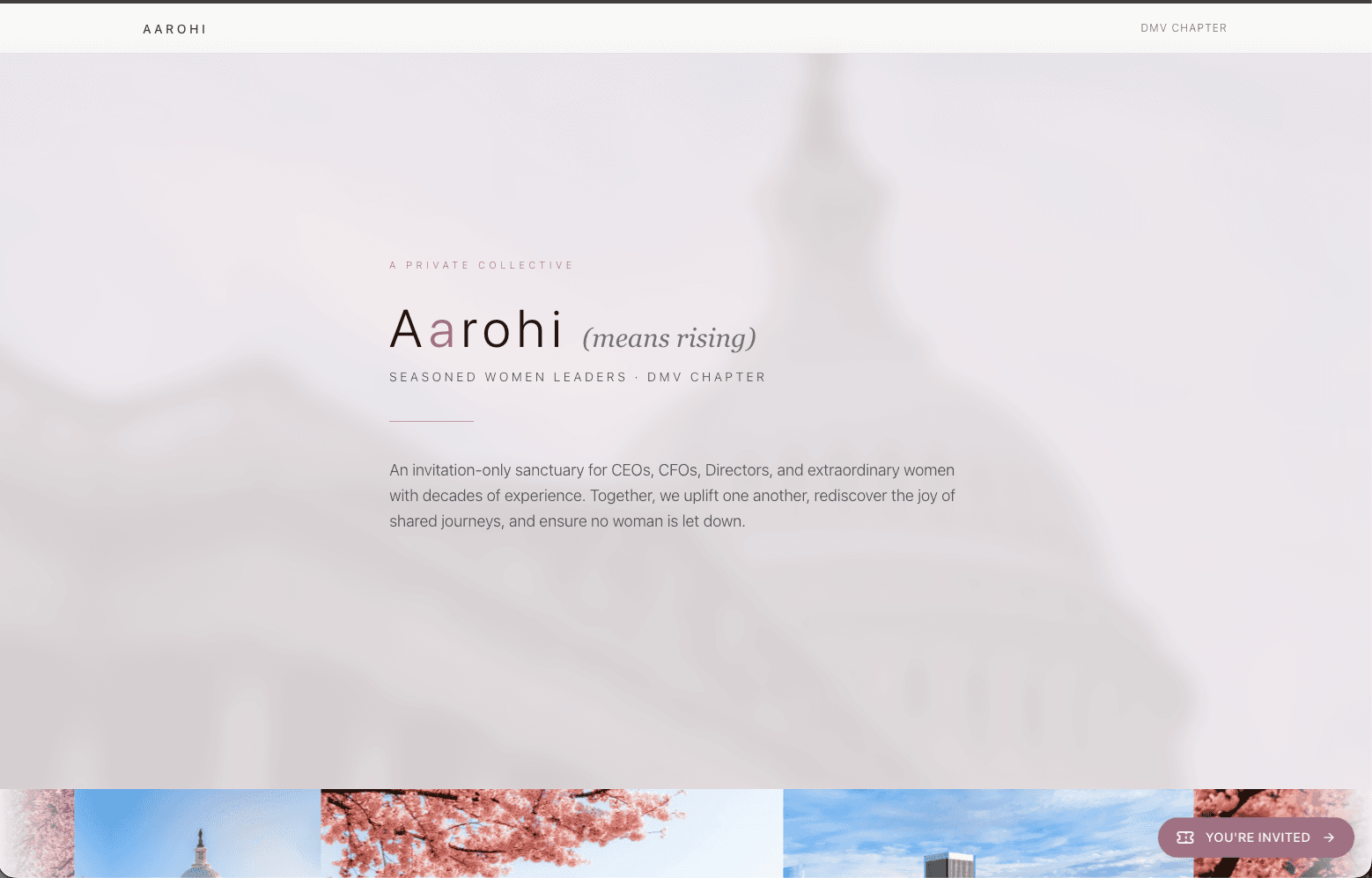
We did the product definition. A PRD establishing the self-hosted, single-tenant, on-premise model and the core capabilities. A functional requirements document of roughly twenty-one thousand words specifying inputs, outputs, business rules, validation, error handling and interface behaviour for every feature. Eighteen user flows covering three distinct roles: administrator, technical user and functional user. The spec is deliberately implementation-grade rather than directional, because the platform's entire proposition is traceability, and a vague spec cannot produce an auditable system. At its centre is a requirements-to-code traceability model, where stable requirement IDs link specs, plans, tasks, commits, pull requests and verification artifacts, with persona and jobs-to-be-done tags carried on the requirements themselves. The agent session model is specified down to isolated git worktrees, sandboxed execution and dependency-gated task transitions, and the governance design covers policy gates, approvals, a traceability matrix and exportable evidence packs. An enterprise IAM specification covers SSO, role-based access control and audit logging, and a brownfield onboarding flow describes reverse engineering and incrementally modernising legacy systems. Alongside the platform definition we delivered marketing sites for Silverpeak and Aarohi, the group's other two properties.
Why the spec had to be implementation-grade
A directional spec says what a feature is for. An implementation-grade spec says what goes in, what comes out, which rules apply, what counts as valid and what happens when something fails. For most products the first kind is enough to start. For a platform whose whole promise is that every line of code traces to an approved requirement, it is not, because the traceability has to be designed before it can be built.
That is why the functional requirements run to roughly twenty-one thousand words, and why stable requirement IDs sit at the centre of the model, linking specs, plans, tasks, commits, pull requests and verification artifacts.
Three roles, eighteen flows
An administrator, a technical user and a functional user each touch the platform for different reasons. Writing eighteen user flows across those three roles meant engineers could build each screen knowing who it was for, and reviewers could check the finished system against the same flows.
It also made the brownfield onboarding flow concrete: reverse engineering and incrementally modernising a legacy system involves different people at different stages, and each stage is written down.
What we built
Everything that shipped.
- Product requirements document defining the self-hosted, single-tenant, on-premise model
- Functional requirements document of roughly 21,000 words, feature by feature
- Eighteen user flows across administrator, technical and functional roles
- Requirements-to-code traceability model, with stable requirement IDs linking specs, plans, tasks, commits, pull requests and verification artifacts
- Persona and journey authoring, so requirements carry persona and jobs-to-be-done tags
- Agent session model: isolated git worktrees, sandboxed execution, dependency-gated task transitions
- Governance design: policy gates, approvals, a traceability matrix and exportable evidence packs
- Enterprise IAM specification covering SSO, role-based access control and audit logging
- Brownfield onboarding flow for reverse engineering and incrementally modernising legacy systems
- Marketing sites for Silverpeak and Aarohi, the group's other two properties
Stack
What it was built with.
- Next.js
- React
- TypeScript
- Tailwind CSS
Inside the build
See it in action.


Outcomes
The results.
~21,000 words
Functional spec
18, across 3 roles
User flows
3
Properties delivered
Services used
Related reading
How to Brief a Developer Without Getting Burned
Most founders overpay for development because they don't know how to scope, specify, or evaluate what they're buying. This changes that.
Read GrowthHow to Choose a Tech Agency for Your Startup Without Getting Burned
Most founders pick their tech agency the way they'd pick a restaurant. Reviews, vibes, and a nice-looking menu. Here are the actual red flags and green flags from 40+ client relationships.
ReadStart a conversation
Tell us what you’re building.
A real conversation about your business and whether we’re the right team to help. Free, and no obligation either way.
Reach us directly
- Call
- +91 859-141-8661
- Studio
- Thane, Mumbai Metropolitan Region
- Response time
- Within a few hours, working days